
A Fairer, More Representative
Way to Elect Our Leaders.
Ohioans do not feel seen or heard by their elected officials.
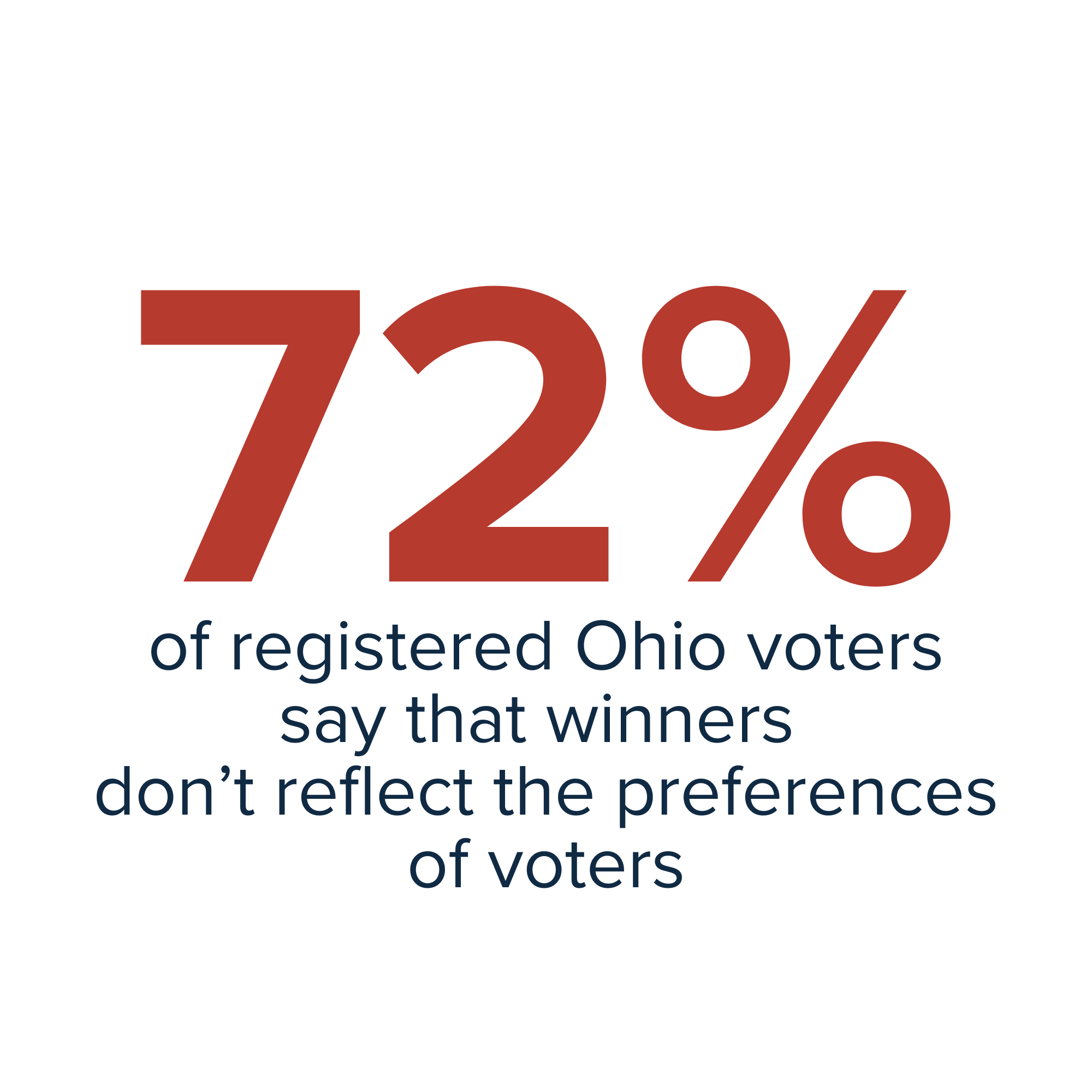
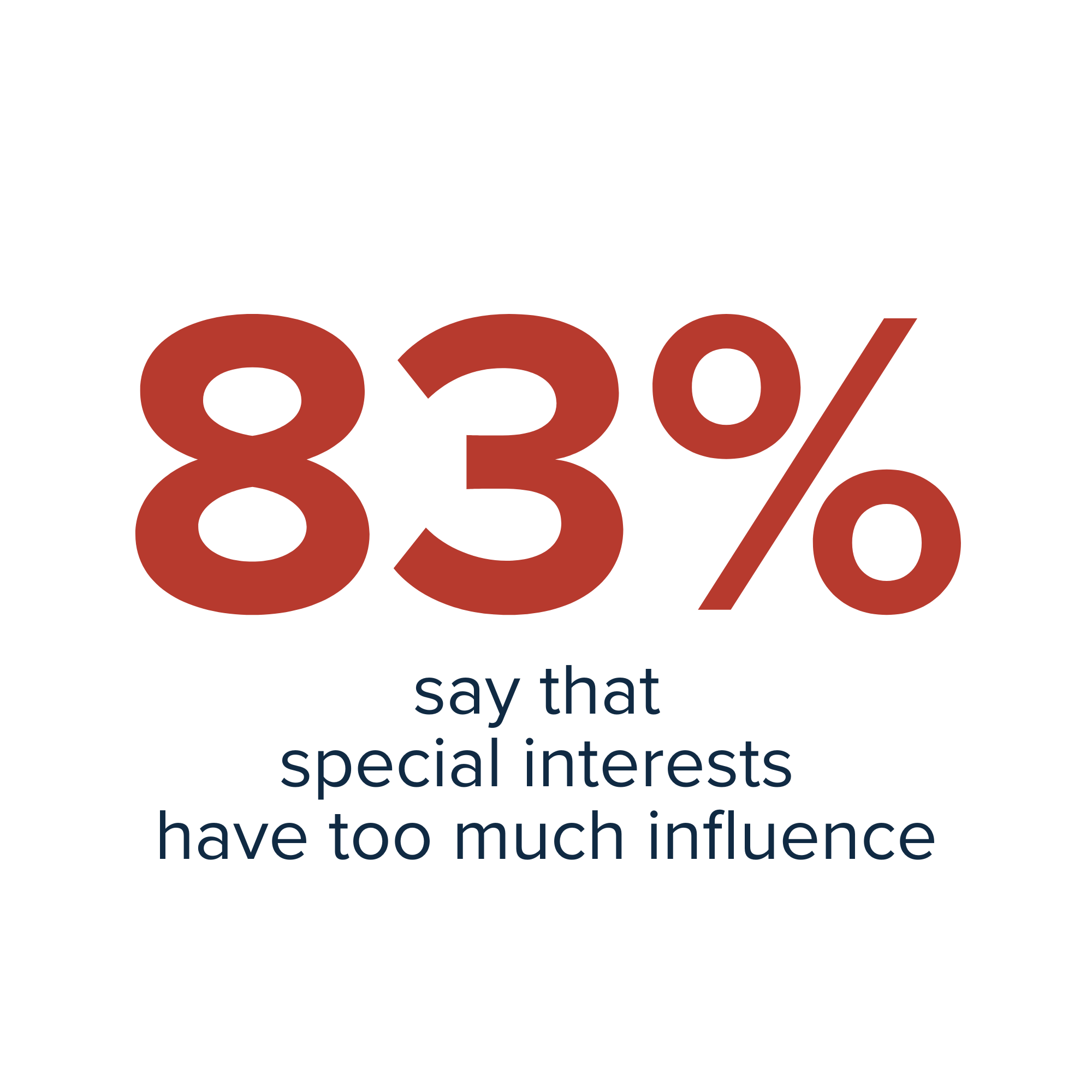
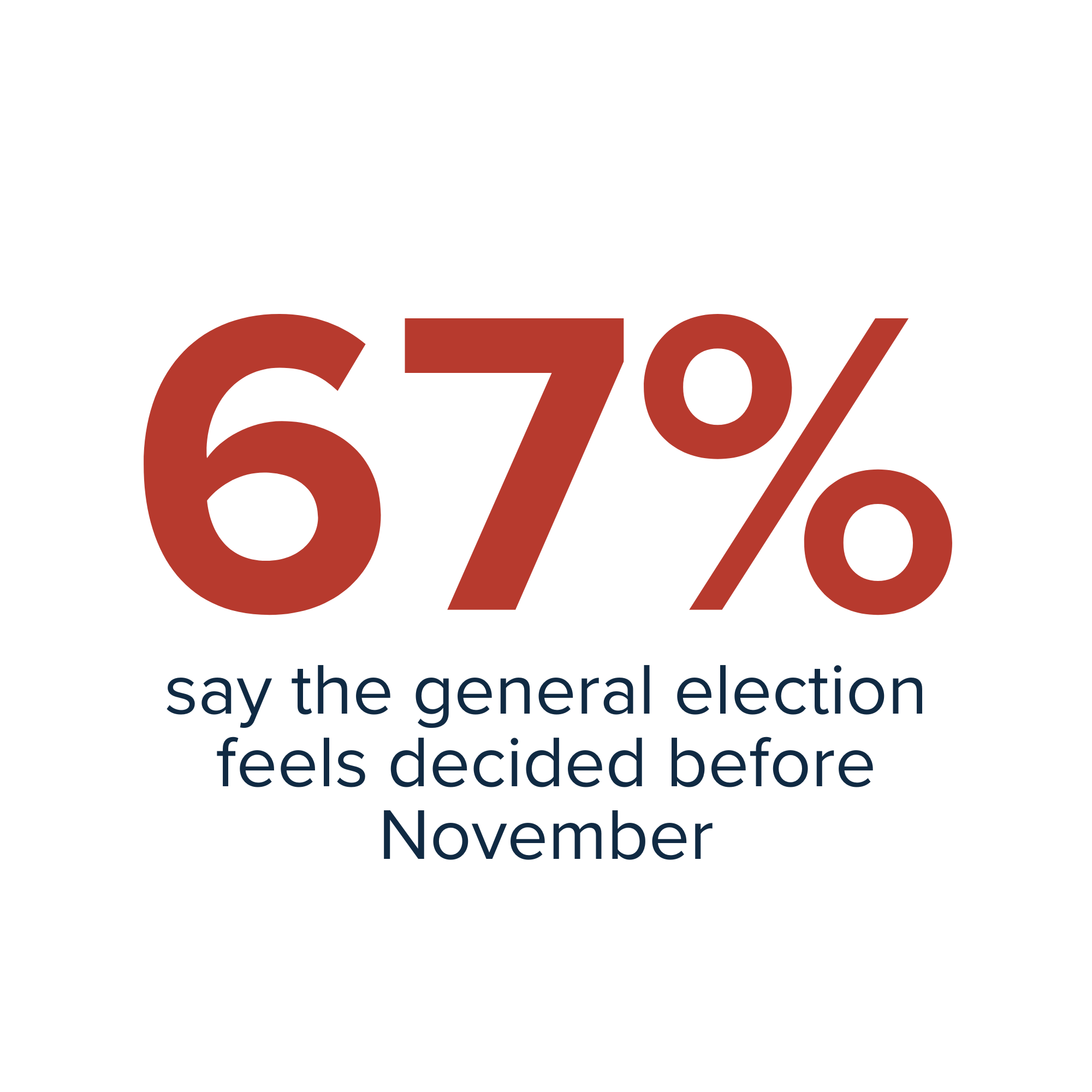
Why? Our current election rules fail to produce the kind of representation and accountability the majority of Ohioans desire.
Top 3 gives voters more viable candidates to choose from and a real say in who represents them.
It changes the incentives so candidates win by earning support from a broader range of voters.
Top 3 is a fairer election system that gives voters better choices, produces better representation, and creates more accountability.
Better Choices
Top 3 gives voters more viable candidates to choose from and a real say in who represents them.
Three finalists in the November election greatly reduces the risk that a major party’s candidate will be shut out. Independent and third-party candidates have more room to compete without being treated as spoilers.
Voters can support the candidate they genuinely prefer without fearing that their choice will be wasted or help elect the candidate they like least.
Better Representation
Elections should produce leaders who reflect the will of the people, not only party activists, special interests, or donors.
Under Top 3, candidates must be able to earn support from people with different views and priorities.
The winner is the candidate who best reflects voters’ choices.
More Accountability
Public office is a responsibility, and leaders should have to keep earning the public’s trust.
Top 3 gives elected officials a stronger reason to listen, deliver, and stay focused on the people they serve and on solving problems.
That leads to more responsive and responsible leadership.